





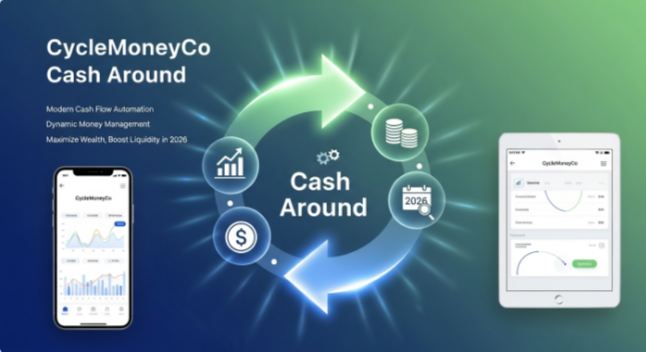
In a financial era defined by rapid change and digital disruption, traditional money management methods are no longer enough. Simply saving cash in a low‑interest bank account, or waiting for returns that barely keep up with inflation, is increasingly seen as outdated. Enter the emerging concept of “CycleMoneyCo Cash Around” — a dynamic approach to financial flow that places emphasis on continuous circulation, optimal allocation, and strategic movement of funds.
If you’re interested in maximizing your financial growth, improving cash flow, and making your money work harder — not harder for it — this comprehensive guide will walk you through everything you need to know.
1. What Is CycleMoneyCo Cash Around?
At its heart, CycleMoneyCo Cash Around refers to a financial philosophy and system that treats cash not as a static asset to be hoarded, but as a resource that should be continuously cycled, allocated, and reinvested to maximize its productive potential.
Traditionally, many people and businesses earn money, save it, and hope it grows passively. But with inflation, low bank interest rates, and rising financial needs, idle money often loses value rather than gains it. Cash Around challenges that paradigm by emphasizing regular movement — whether it’s through investments, high‑yield accounts, bill management, or strategic spending — so that money continues to generate value.
Unlike old‑school savings systems, the Cash Around approach is proactive: it involves active decision‑making, continuous cash circulation, and intentional financial planning. It’s not just about storing wealth — it’s about making wealth work for you.
2. How the Cash Around Concept Works
To understand CycleMoneyCo Cash Around, it helps to visualize money as a wheel in constant motion:
Earn → Allocate → Circulate → Grow → Repeat
Earn
The cycle begins with income: salaries, business revenues, passive earnings, or other financial inflows. The first step in the Cash Around philosophy is to track every dollar earned and decide how it will be allocated purposefully.
Allocate
Once money comes in, it’s split strategically. Allocations might include:
-
Living expenses
-
Emergency funds
-
Savings
-
Investments
-
Growth vehicles (like side projects or new ventures)
This allocation isn’t random — it’s based on predefined goals and future needs. Prioritizing where money goes ensures nothing sits idle longer than necessary.
Circulate
This is the core of the Cash Around model. Once money is allocated, it moves:
-
Funds are automatically transferred into high‑yield accounts
-
Investments are made on a schedule
-
Excess cash is shifted where it earns more
-
Money flows back into operational needs when required
This continuous movement enhances liquidity and prevents stagnation.
Grow
Through movement, money accumulates more value. Whether through interest, investment returns, or optimized spending, the cash cycle creates growth opportunities over time.
Each completion of this cycle increases financial efficiency and accelerates wealth creation compared to letting money lie dormant.
3. The Core Principles Behind Cash Movement
CycleMoneyCo Cash Around is more than a strategy — it’s a mindset. Its core principles include:
1. Continuous Value Creation
Idle cash loses purchasing power due to inflation. Circulating money continuously helps it retain value and even grow through optimized earnings.
2. Strategic Intent
Every dollar has a purpose — whether that’s security, growth, or liquidity. Cash Around requires planning and intentional financial actions.
3. Balance Between Liquidity and Growth
Keeping funds active doesn’t mean putting everything at risk. Smart cycles maintain liquidity — ensuring funds are available when needed while maximizing earnings at the same time.
4. Technology and Automation in CycleMoneyCo
One reason the Cash Around concept is gaining traction now is technology. Modern apps, digital banking, and financial AI make it possible to automate, monitor, and optimize cash flows with ease.
AI and Algorithmic Cash Flow Optimization
Advanced systems analyze your income, spending patterns, investment cycles, and market trends to automatically decide where cash should go next. Some platforms use machine learning to predict when you’ll need liquidity and when your money should be invested — all without manual input.
Real‑Time Monitoring
Rather than waiting days for transfers or manually tracking balances, smart finance tools move money instantly when conditions meet your preset criteria.
Multi‑Channel Synchronization
Cash Around systems can connect multiple accounts — savings, checking, money market, and investment portfolios — and act as one unified system: optimizing based on your goals and not limited to one financial institution.
Automation
Modern platforms automate bill payments, transfers, and investment allocations. Once set up, the cash movement continues without constant oversight.
5. Benefits for Individuals and Small Businesses
The Cash Around approach offers significant advantages:
Boosted Financial Efficiency
By preventing money from stagnating, you earn more from interest, growth, or investment returns compared to traditional savings.
Improved Liquidity
Cash Around ensures funds are available when needed — emergency liquidity is factored into transfers, so people and businesses aren’t caught off guard.
Better Financial Discipline
When every dollar has a planned destination, spending becomes purposeful, and wasteful habits are reduced.
Support for Business Operations
For small businesses, continuous cash movement helps with supplier payments, payroll, and operational costs — reducing cash‑flow bottlenecks and improving business resilience.
Greater Returns Over Time
Rather than earning minimal bank interest, money in efficient cycles can generate significantly higher returns depending on the instruments it flows into.
6. Risks and Potential Drawbacks
Despite its advantages, the Cash Around model isn’t without challenges:
Complexity for Beginners
The strategy involves tracking, allocating, and managing money purposefully — which can be overwhelming for those new to financial planning.
Technology Dependence
Relying on digital systems raises cybersecurity concerns. Platforms must be secure and transparent to avoid data breaches or financial fraud.
Hidden Fees and Mismanagement
If the system isn’t transparent about fees, frequent transfers could incur high costs that outweigh gains. Always check platform fee structures before committing.
Liquidity Risks
Over‑circulation without maintaining emergency buffers could leave you short of cash when needed urgently — especially if investment cycles are rigid.
7. Comparing Cash Around to Traditional Banking
To fully appreciate the Cash Around method, compare it with typical banking approaches:
| Feature | Traditional Banking | Cash Around System |
|---|---|---|
| Interest on Savings | Low (often <1%) | Potentially higher via dynamic allocation |
| Liquidity | Available but may be delayed | Built‑in liquidity thresholds |
| Automation | Basic (bill pay, transfers) | Intelligent, goal‑based automation |
| Growth Focus | Limited | Strategic wealth building |
Unlike traditional banking, which prioritizes safekeeping with minimal growth, Cash Around prioritizes movement — making every dollar work harder while still supporting essential needs.
8. How to Get Started with Cash Movement
If you’re ready to begin applying Cash Around principles:
1. Track Your Income and Spending
Start by understanding where your money comes from and how it leaves your accounts.
2. Set Financial Goals
Determine your needs: emergency funds, short‑term goals, long‑term investments, lifestyle expenses.
3. Choose the Right Tools
Look for digital finance platforms that support automation, multi‑account integration, and customizable rules for transfers.
4. Automate Smart Transfers
Set up automated cycles that move excess money into higher yield accounts or investments based on your goals.
5. Monitor and Adjust
Review performance regularly — optimize allocations if returns or goals change.
9. Best Practices for Smart Money Flow
To make the most of your cycle:
-
Maintain an Emergency Buffer: Always keep enough cash accessible before allocating funds to investments.
-
Avoid Hidden Fees: Carefully read fee structures before committing your money to a platform.
-
Balance Liquidity and Growth: Don’t overextend investments that lock up cash you might need soon.
-
Stay Educated: Financial tools evolve — staying informed helps you leverage improvements.
10. Future of Dynamic Financial Systems
As digital finance continues to grow, systems like CycleMoneyCo Cash Around will likely become more sophisticated. Artificial intelligence, blockchain integration, and personalized financial planning tools will make automated cash movement even more accessible — especially for people without traditional banking access.
11. Summary and Final Thoughts
CycleMoneyCo Cash Around is a reflection of this new way of thinking about personal and business finance: money must always be working. By constantly recycling your cash, making purposeful allocations, and utilizing automation, you can build financial momentum that extends far beyond the constraints of a savings account.
As a consumer seeking to optimize your personal finances or a small business seeking to optimize your operations, the answer to achieving Cash Around lies in understanding your cash flow, developing financial goals, and utilizing resources that can help implement the Cash Around philosophy.